The Application of Floor Drains and Bathroom Accessories in the Laundry Room
Floor Drains: More Than Just Drainage—A Defense Line Against Odors and Pests
The floor drain in a laundry room differs from those found in shower areas; it must be capable of handling the high-volume, instantaneous discharge from a washing machine, as well as occasional overflows or drainage from floor cleaning.
**Choosing the Right Type:** It is recommended to prioritize either a dedicated, sealed washing machine floor drain or a dual-purpose model. The former features a sealed interface—essentially a rubber ring—into which the washing machine's drain hose can be inserted directly; this completely eliminates backflow and foaming caused by the impact of high-pressure water during drainage. The latter features a rotatable or hinged cover; it functions as a standard floor drain for general drainage during normal times, but can be connected to the washing machine's drain hose when doing laundry.
**Core Functionality:** The floor drain core (or insert) must be selected for its high drainage capacity and self-sealing mechanism. Magnetic-suspension or deep-water-seal structures are highly recommended: magnetic-suspension cores offer rapid drainage and excellent odor prevention, while deep-water seals provide stable odor protection—though if the laundry room floor is not mopped for an extended period, the water seal may dry out and fail, requiring periodic replenishment. Avoid using "pop-up" or "flip-valve" style drains, as they are prone to getting jammed by detergent residue, lint, and cotton fibers, preventing them from closing properly.
**Routine Maintenance:** The laundry room floor drain serves as a collection point for lint and fine fibers. It is advisable to choose a drain with a removable inner core; every two to three months, remove the core to clear away any hair or loose threads tangled around the springs or valves—otherwise, drainage speed will decrease significantly.
**Bathroom Accessories: "Multitasking" in the Laundry Room**
Incorporating common bathroom accessories into the laundry room can effectively free up countertop and floor space, creating a convenient and efficient workflow.
**Foldable Drying Rack (Wall-Mounted):** This is one of the most useful accessories for a laundry room. When mounted on the wall above the washing machine, it can be unfolded to provide a flat surface for air-drying hand-washed delicates—such as lingerie, wool sweaters, ties, or garments unsuitable for machine drying. When not in use, it folds flat against the wall—protruding only a few centimeters—remaining completely out of the way.
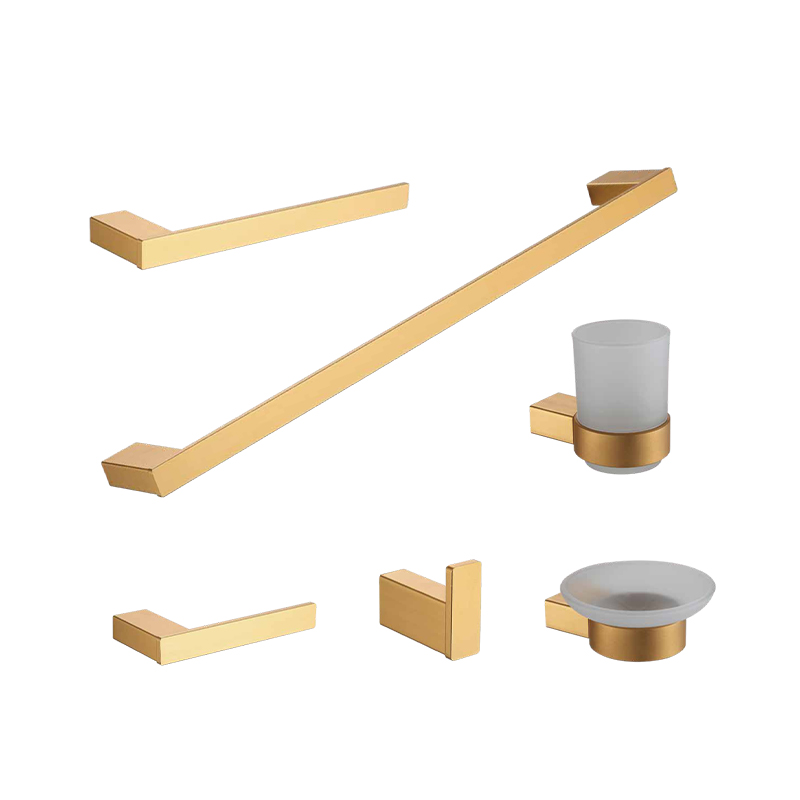
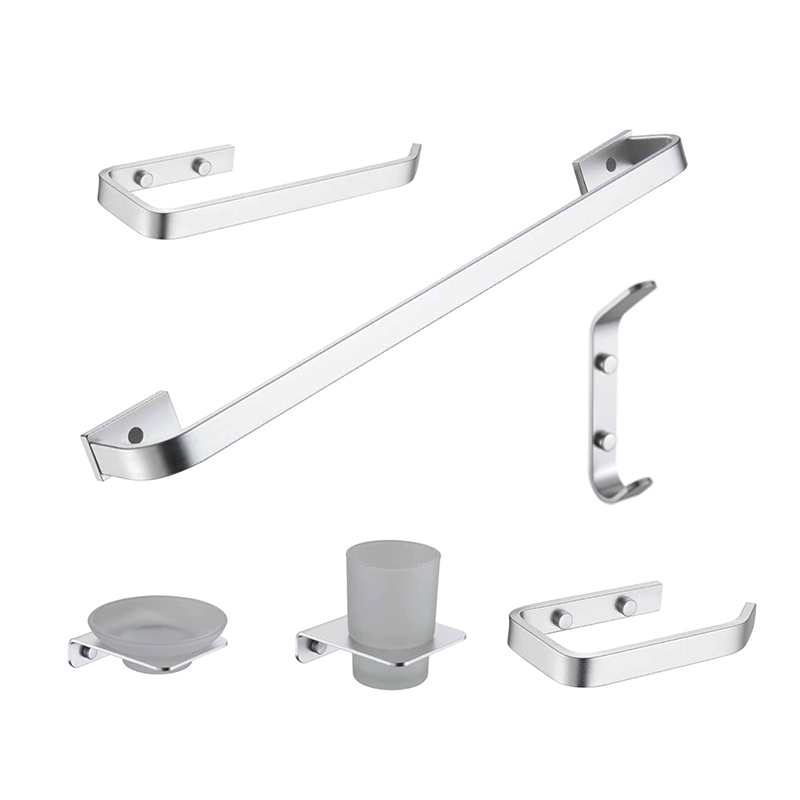
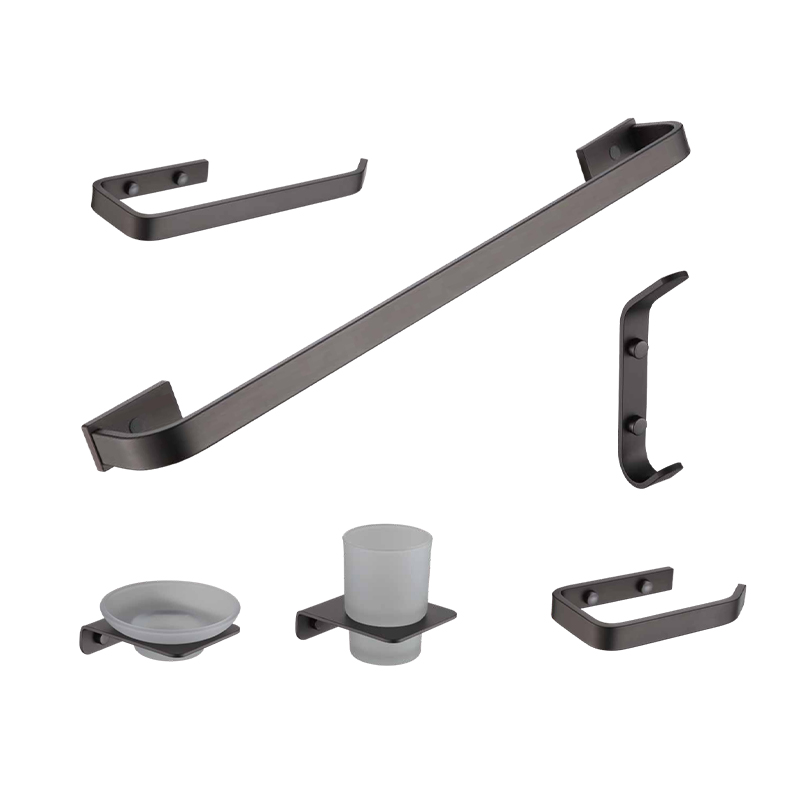
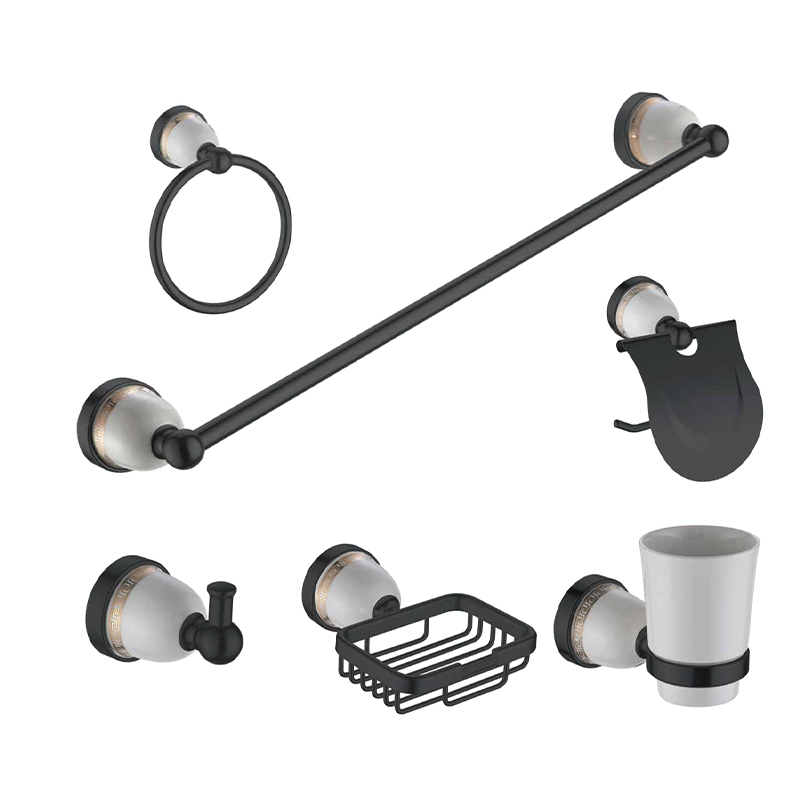
**Single or Double Towel Bars:** Don't limit your thinking to just hanging towels. Install a long rod on the wall adjacent to the washing machine; this serves as a rail for hanging clothes hangers awaiting use—allowing you to remove freshly washed garments (while still on their hangers) and transfer them directly to the drying area. It can also be used to hang cleaning tools—such as dust mite vacuums, lint rollers, and dusters—by utilizing S-hooks.
Hook Rack (Multi-Hook Organizer): Mount this on the wall within easy reach, or on the side panel of a nearby cabinet. It offers a wide range of practical applications: hanging a hand towel (hand-washing is frequent in the laundry room); holding a pouch of spare laundry pods or scent boosters (with the opening clipped shut); storing a folded laundry bag for dirty clothes; or hanging a small brush for scrubbing away stubborn stains on garments.
Storage Basket (an adaptation of the corner shower caddy concept): This unit can be wedged into the narrow gap between the washing machine and the wall, or attached to a magnetic organizer mounted on the side of the machine. It serves as a convenient repository for small bottles and containers—such as fabric softener, disinfectant, stain remover pens, and color-catcher sheets—keeping them readily accessible for immediate use. This "grab-and-go" approach is far more ergonomic and user-friendly than having to bend down to rummage through items stored in a lower cabinet.