Bathroom Accessories
Development History
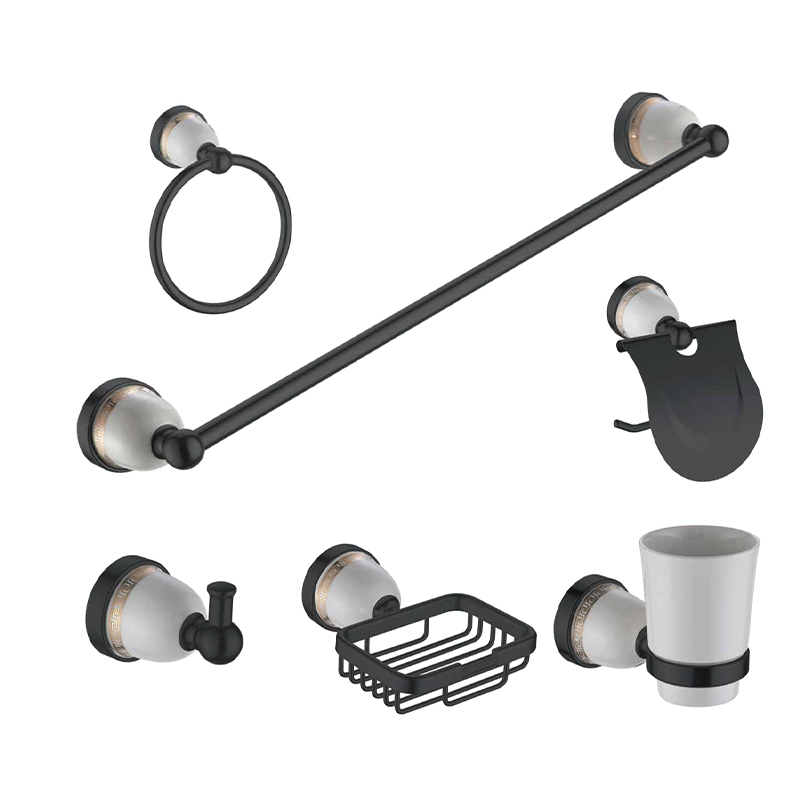
Copper bathroom accessories are favored for the inherent properties of their material—including toughness, wear resistance, excellent ductility, and corrosion resistance—as well as for the ease with which they can be artistically crafted.
Materials and Craftsmanship
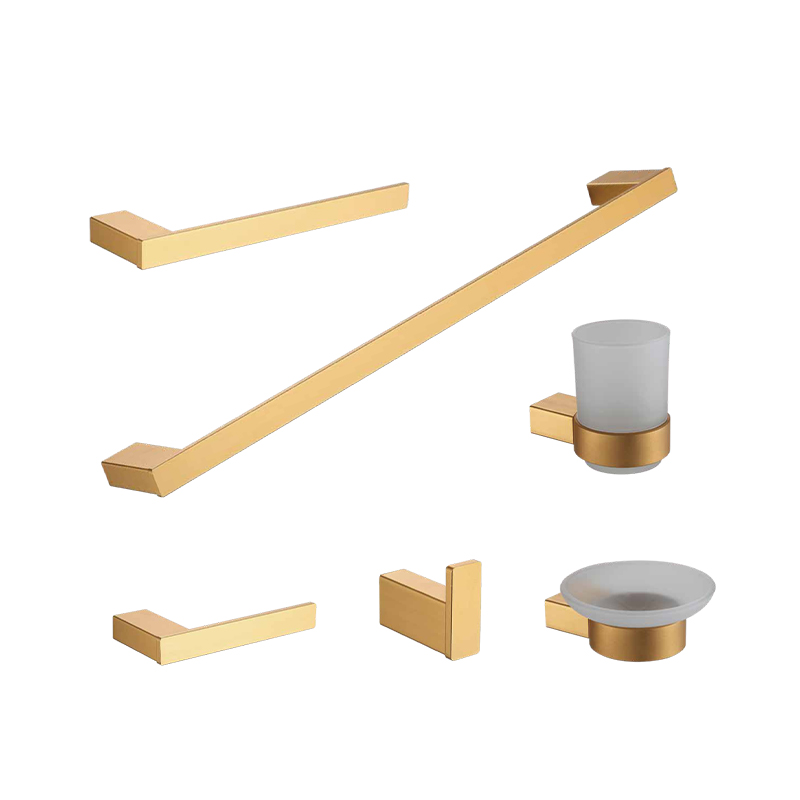
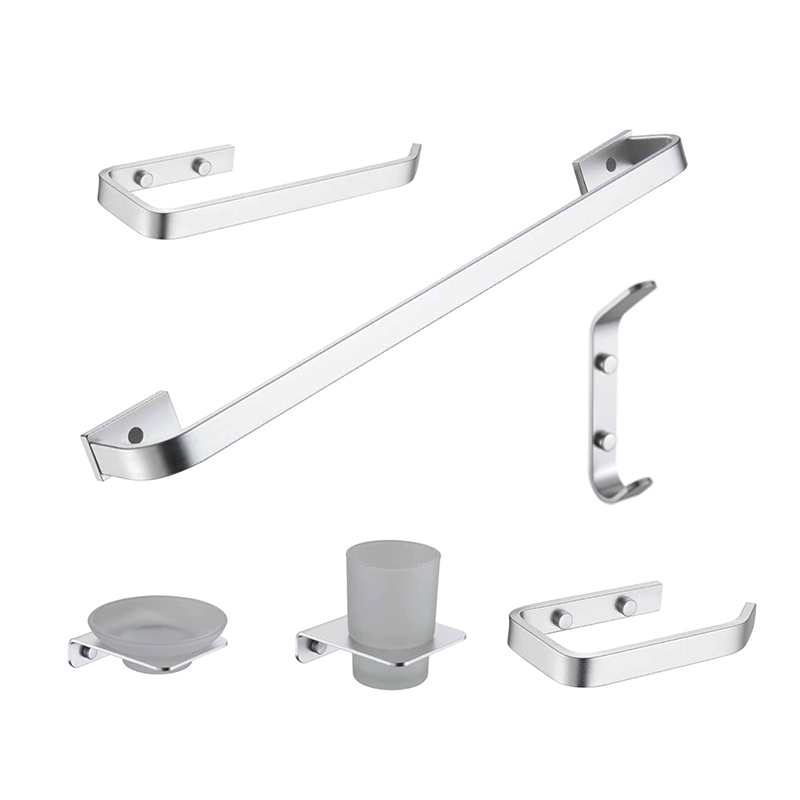
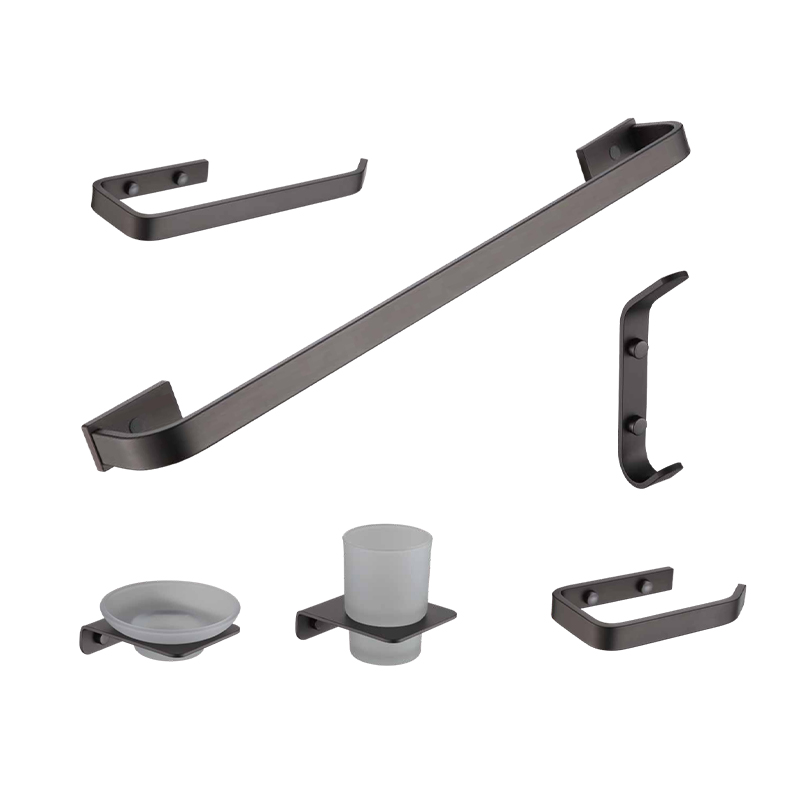
The predominant materials used for bathroom hardware accessories include space aluminum, 304 stainless steel, and electroplated brass. Space aluminum is an aluminum-magnesium alloy characterized by its high heat resistance, lightweight nature, and affordability; however, its design and surface finishes tend to be relatively simple. 304 stainless steel, rich in chromium and nickel, offers excellent corrosion resistance; products made from this material typically feature a brushed finish and are positioned within the mid-range segment of the market. Electroplated brass products convey a sense of luxury due to the superior adhesion of plating to the copper substrate; while chrome plating is the most common finish, options such as titanium gold and rose gold are also available. When making a purchase, it is advisable to inspect the item under adequate lighting to ensure the plating is uniform and free of blistering.
Other materials found on the market include zinc alloy, chrome-plated iron, and various plastics. High-quality products undergo a rigorous manufacturing process involving complex machining, polishing, and welding, resulting in a surface that feels smooth to the touch and is entirely free of defects.
Installation and Usage
Installation should be carried out only after major bathroom fixtures have been fully installed; it requires drilling holes into the wall for mounting. It is recommended to use a glass drill bit to first bore through the ceramic tile layer, followed by an impact drill to penetrate the concrete substrate, in order to prevent the tiles from cracking.
Various bathroom accessories have recommended installation heights and positions: for instance, a bath towel rack is typically positioned approximately 1.8 meters from the floor; a double-bar towel rack, about 1.6 meters; and a single-bar towel rack, about 1.0 or 1.5 meters. The base of a toilet brush holder should be approximately 10 centimeters from the floor, while a toilet paper holder should be about 60 centimeters up. Single or double cup holders should be aligned horizontally with the cosmetic shelf, which itself should be positioned approximately 30 centimeters above the washbasin; coat hooks are typically placed about 1.7 meters from the floor.
When making a purchase, consider three key aspects: practicality and usability, sturdiness and durability, and stylistic compatibility. Practicality and usability require selecting items based on the specific installation location and available dimensions. For sturdiness and durability, pay close attention to the quality of the mounting screws—using 304 stainless steel screws is recommended—and assess the material's corrosion resistance and the quality of its electroplating finish. Regarding stylistic compatibility: "space aluminum" complements warm, vintage-style aesthetics; stainless steel aligns well with industrial-style themes; and chrome-plated brass suits minimalist Nordic-style interiors.
For routine maintenance, clean the fixtures using plain water or a neutral detergent, and wipe them dry with a soft cloth. Avoid using cleaning agents that contain harsh chemicals, acids, alkalis, or abrasive properties. It is recommended to perform a thorough cleaning periodically (e.g., every three months). [8-9] Ensure the bathroom remains well-ventilated and dry.
Cleaning and Maintenance
For routine cleaning, you may wash the product surface with plain water or a neutral detergent, then wipe it dry with a soft cotton cloth or towel. For general stains, you may also gently wipe the surface with a damp cloth dabbed with soap or toothpaste, followed by a rinse with clean water. Strictly avoid using cleaning agents containing corrosive chemicals or abrasive particles, as well as rough cloths or scouring pads.
It is recommended to perform a thorough cleaning approximately once every three months to extend the lifespan of the fixture. You may use a mild liquid detergent, a colorless glass cleaner, or a non-abrasive polishing solution to wipe the surface; immediately rinse with clean water afterward, and thoroughly dry with a soft cotton cloth.
Maintaining good ventilation and a dry environment in the bathroom helps slow down corrosion and rusting. When purchasing fixtures, consider selecting models with superior water-resistance properties. After every cleaning session, be sure to immediately rinse the fixture with clean water and wipe it dry to prevent water spots and grime [8]. Pay particular attention to cleaning the hidden areas and crevices of the fixture. Avoid allowing acidic or alkaline detergents, dishwashing liquids, or similar substances to come into contact with the fixture's surface. Never hang excessively heavy objects on the fixture or twist it forcefully—this is especially critical for electroplated fixtures.